Understanding Puppy Resource Training and Guarding
Resource guarding, sometimes referred to as “possession aggression,” is a natural canine instinct. It is a behavior where a dog protects items they value from perceived threats, which could be another animal or even a human.
Such behaviors are often exhibited towards food, treats, toys, or even resting places. While a natural instinct, unchecked resource guarding can escalate, leading to significant behavioral challenges if not addressed through consistent **puppy resource training** methods.
Why Early Intervention in Resource Guarding is Crucial
Starting **puppy resource training** early is considered paramount for preventing more serious issues later on. Studies have indicated that puppies exposed to positive training methods from a young age are less likely to develop severe behavioral problems, with some research suggesting a reduction in aggression by up to 60%.
When puppies are taught that human interaction around their valued items leads to positive outcomes, such as even better treats or a safe swap, they are less likely to feel the need to defend their possessions fiercely. This foundational learning can establish a lifetime of trust and cooperation between a puppy and its family.
Key Principles of Positive Resource Training
Effective resource training is typically rooted in positive reinforcement and gentle conditioning. This approach encourages puppies to associate human presence near their resources with pleasant experiences, rather than feeling threatened.
One of the core techniques involves teaching your puppy to ‘trade’ items willingly. This method helps in developing a puppy’s understanding that letting go of an item can result in an even more desirable reward, thereby building a strong foundation for future interactions.
Introducing High-Value Items: Bones and Chews
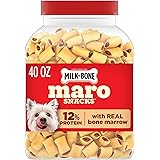
Bones and long-lasting chews are often highly valued by puppies, making them prime candidates for early resource training. It is often recommended that these items are introduced in a controlled, calm environment where the puppy feels secure.
When your puppy is calmly enjoying a chew, a valuable treat (like a small piece of chicken) can be dropped nearby. This action is intended to create a positive association, teaching them that human proximity means good things, not theft of their prized possession.
Making Mealtime Safe: Training with Food Bowls and Kongs
Mealtime can be a common trigger for resource guarding. To prevent this, it is advised that owners periodically approach the puppy’s food bowl and gently add more kibble or a high-value treat while the puppy is eating.
Kongs and other puzzle feeders can also be integral to **puppy resource training**. These items are often filled with enticing treats, and the act of retrieving food from them can be incorporated into training by offering a swap or by simply passing by and dropping in an extra tasty morsel.
Teaching “Trade” with Toys for Positive Reinforcement
The “trade” game is an excellent method for teaching puppies to willingly give up toys. This exercise is initiated by offering a highly desirable treat in exchange for a toy the puppy has.
Once the puppy drops the toy to take the treat, the original toy can be given back, or a different toy can be offered. Practicing this simple exchange frequently can help establish a pattern where giving up an item is positively reinforced, leading to a much more cooperative puppy.
Recognizing Puppy Body Language
It is important that puppy owners are able to identify the subtle signs of resource guarding. Early indicators can include stiffening of the body, a lowered head over the item, a direct stare, or a slight growl or snap if approached too closely.
Being aware of these signals allows owners to intervene with appropriate training techniques before the behavior escalates. Ignoring these early warning signs can inadvertently reinforce the behavior, making it more challenging to address in the future.
When Professional Guidance Is Needed
While many resource guarding behaviors can be addressed with consistent **puppy resource training** at home, some cases may require professional intervention. If a puppy exhibits aggressive growling, snapping, or biting, particularly if directed at family members, a certified professional dog trainer or veterinary behaviorist should be consulted.
These experts are capable of assessing the severity of the behavior and developing a customized training plan that considers the specific needs of the puppy and its living situation. Early professional help can be instrumental in resolving complex resource guarding issues, ensuring the safety and well-being of both the puppy and its human family.
Got More Bones to Pick? Resource Training Q&A
What is puppy resource guarding?
Resource guarding is a natural canine behavior where a puppy protects valuable items, like food or toys, from perceived threats. It is sometimes referred to as ‘possession aggression’.
Why is it important to start resource training early for puppies?
Starting early resource training is crucial for preventing more serious behavioral issues later on. It teaches puppies that human interaction around their valued items leads to positive outcomes.
What is a main principle of positive resource training?
A core principle is positive reinforcement, which encourages puppies to associate human presence near their resources with pleasant experiences. This often involves teaching them to ‘trade’ items willingly.
What are some signs that my puppy might be resource guarding?
Early indicators can include stiffening of the body, lowering their head over an item, a direct stare, or a slight growl or snap if approached too closely.
When should I seek professional help for puppy resource guarding?
If your puppy exhibits aggressive growling, snapping, or biting, especially towards family members, you should consult a certified professional dog trainer or veterinary behaviorist for assistance.